Vermont Law and Graduate School
164 Chelsea St, South Royalton, VT 05068, United States
About

University Type
Private

Vermont,
United States

Year Established:
1972
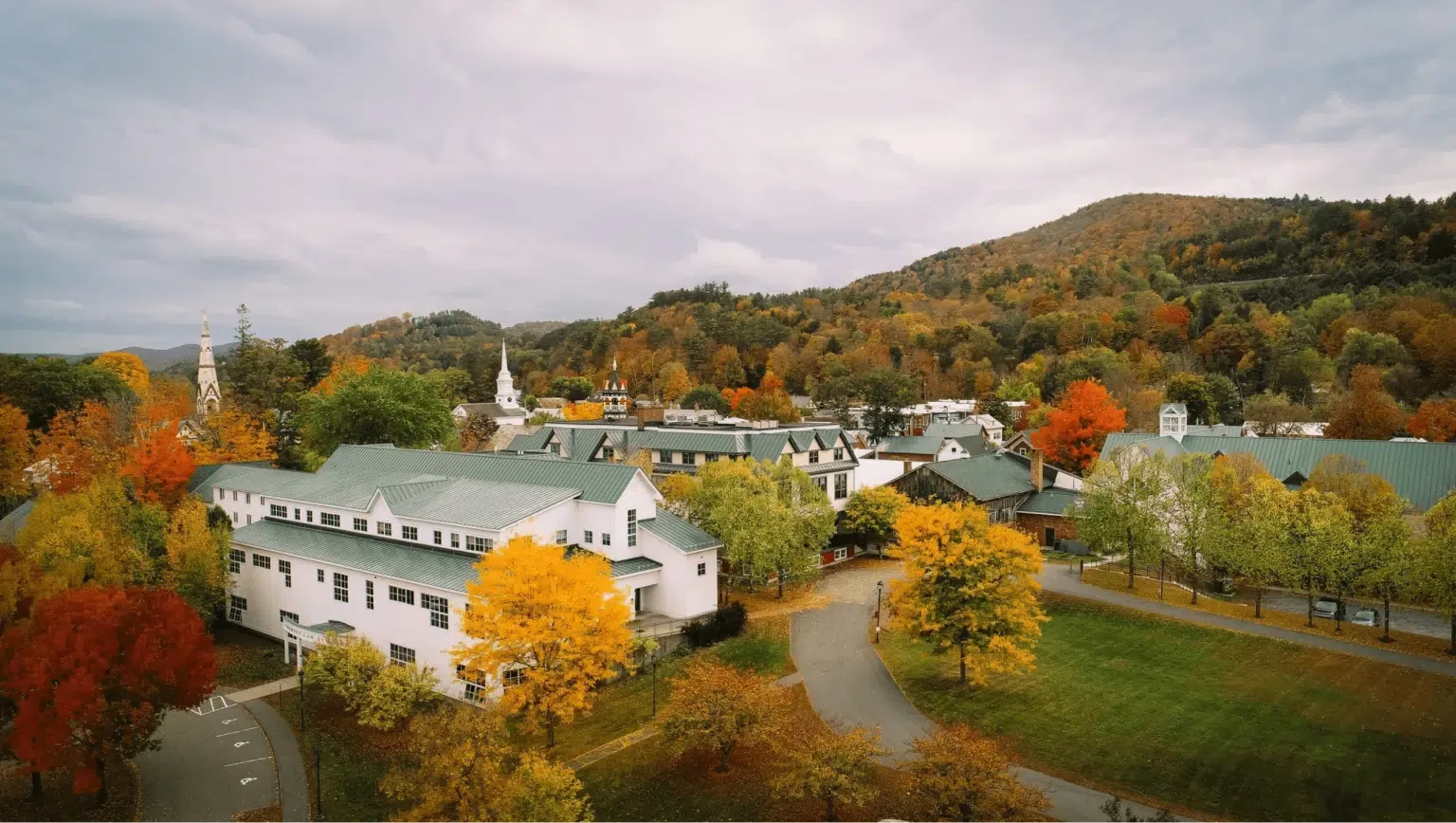
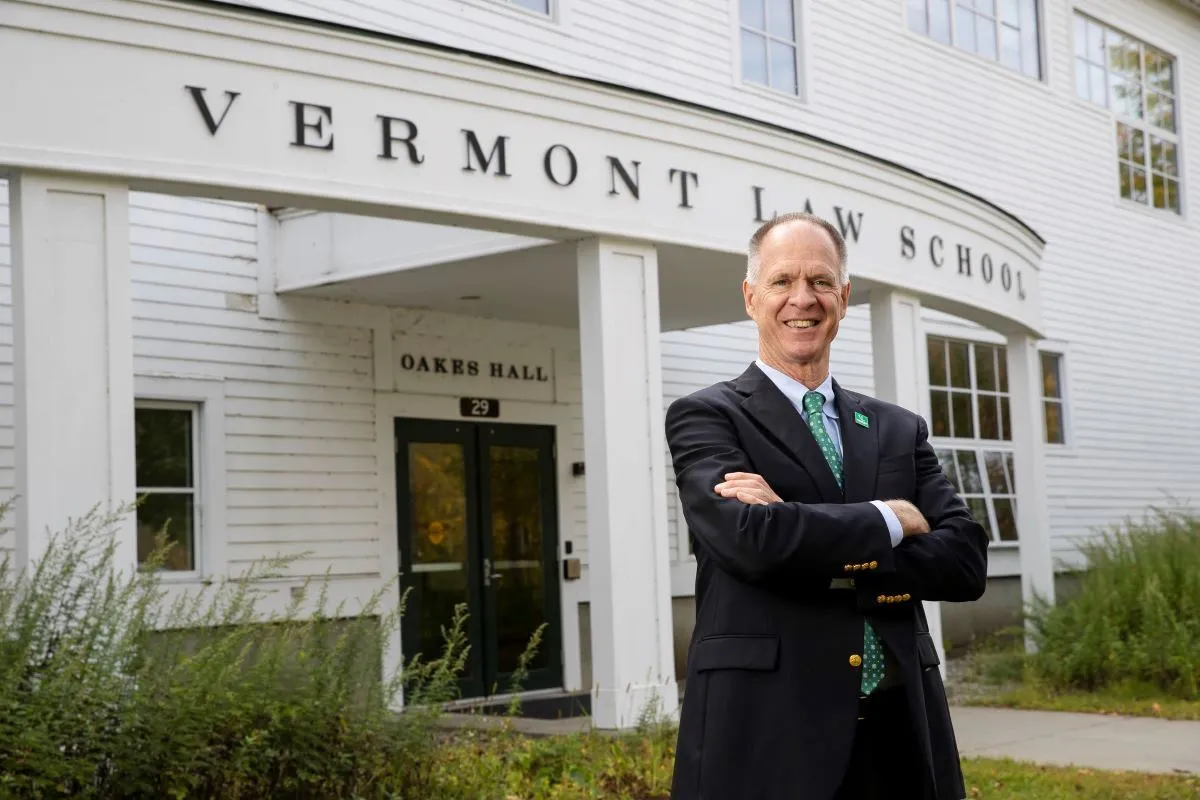
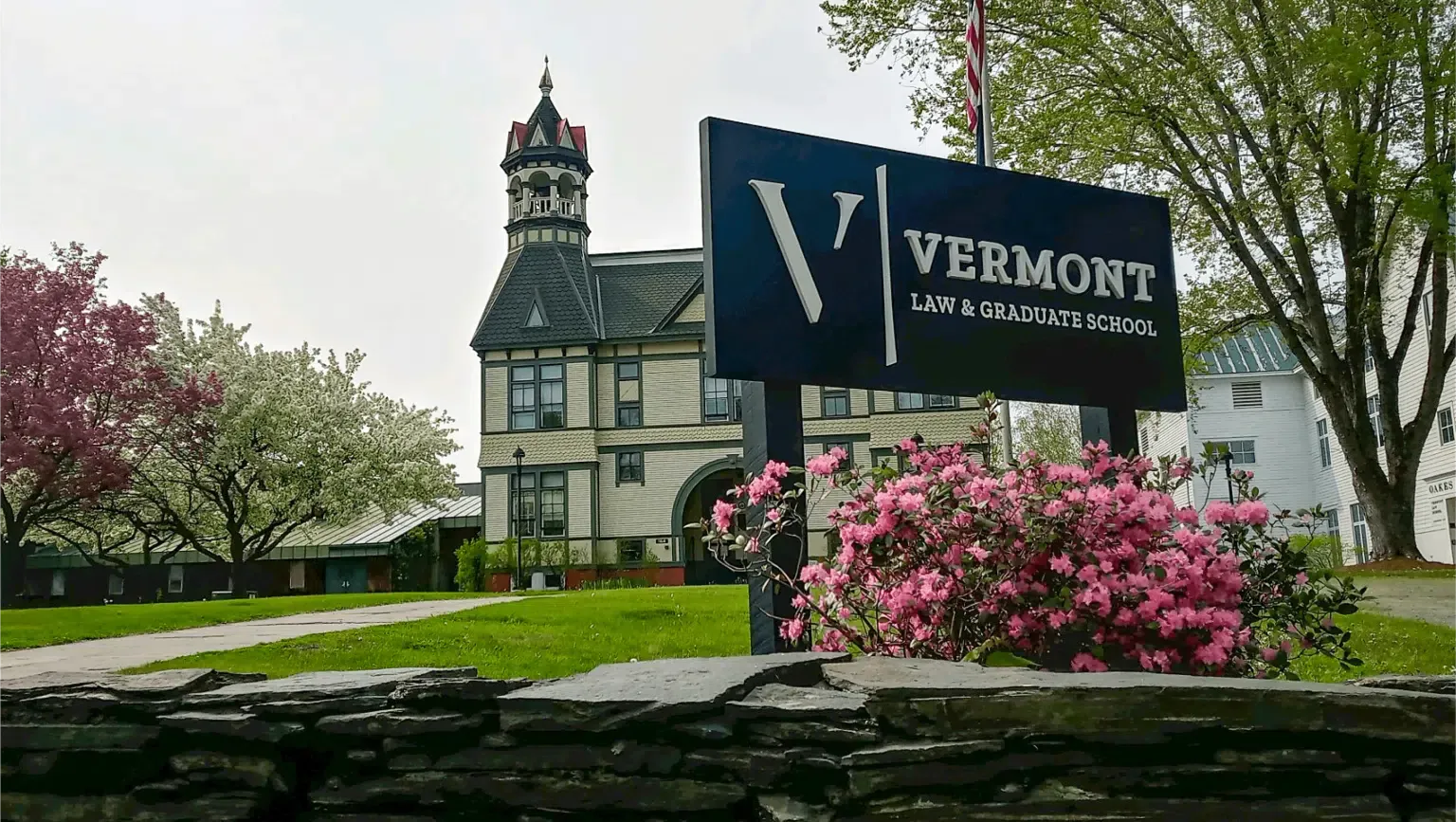
Vermont Law and Graduate School (VLGS) is a private law and public policy graduate school in South Royalton, Vermont. It is the only ABA-accredited law school in the state. It offers several degrees, including Juris Doctor (JD), Master of Laws (LLM) in Environmental Law, Master of Environmental Law and Policy (MELP), Master of Food and Agriculture Law and Policy (MFALP), Master of Energy Regulation and Law (MERL), and dual degrees with a diverse range of institutions. According to the school's 2018 ABA-required disclosures, 61.5% of the Class of 2018 obtained full-time, long-term, JD-required employment nine months after graduation.Vermont Law School was founded in 1972 by Anthony Doria and held its first classes in the summer of 1973 with 113 students in what was then known as the old South Royalton schoolhouse. In December 1973, VLS was certified by the Vermont State Board of Education as an institution of higher learning. Doria resigned as dean of the school in 1974, after it emerged that he had been convicted of embezzlement by a Pennsylvania court in 1958, though the charges were later vacated.Provisional ABA approval came in February 1975, and a full complement of classes were offered in the fall of 1975. The Law School's charter class graduated in spring 1976. Full approval by the ABA came in 1978, and the Law School was accredited by the New England Association of Schools and Colleges (NEASC) in 1980. VLS became a member of the Association of American Law Schools (AALS) in 1981.
Vermont Law and Graduate School Program Rankings
- Environmental Law - Rank #1 (US News)
Vermont Law and Graduate School Highlights
FAQs
What are the most popular graduate programs offered at Vermont Law and Graduate School?
Vermont Law and Graduate School is renowned for its focus on environmental law, offering highly regarded programs such as the Master of Environmental Law and Policy, and the Juris Doctor with an environmental law concentration. Other popular programs include Energy Regulation and Law, and Food and Agriculture Law and Policy, all designed to equip students with specialized, impactful legal and policy expertise.
What is the Annual Cost of attendance at Vermont Law and Graduate School?
The annual tuition fee for Vermont Law and Graduate School typically averages around $40,000. Estimated living expenses are about $18,000 per year, bringing the total annual cost to around $58,000. Converting this to Indian Rupees, approximately 4,760,000 INR (exchange rate of 1 USD = 82 INR), rounded to the nearest hundreds.
What Financial aid and scholarship options are available at Vermont Law and Graduate School?
Vermont Law and Graduate School offers a variety of financial aid options including scholarships, grants, and federal student loans. Prospective students can apply for scholarships simultaneously while applying for admission. It's advisable to complete the Free Application for Federal Student Aid (FAFSA) to qualify for federal aid and check the school's website for specific scholarships and eligibility criteria.
What is the reputation and ranking of Vermont Law and Graduate School?
Vermont Law and Graduate School is highly reputed for its environmental law program, consistently ranked as one of the top in the United States by U.S. News & World Report. This specialty's strength underscores the school's commitment to advancing environmental law and policy, solidifying its status as a leader in this crucial field.
What is the campus culture like at Vermont Law and Graduate School?
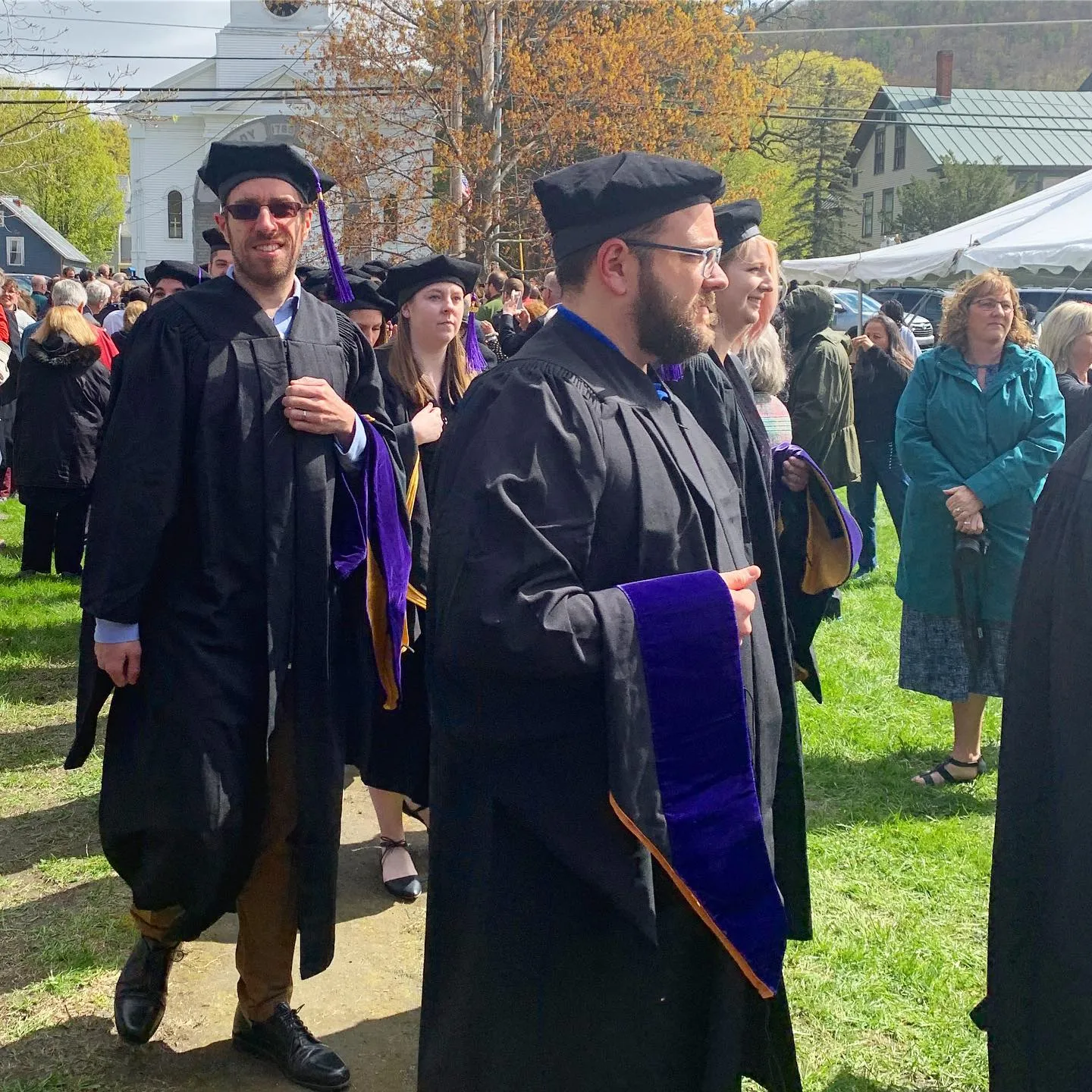
The campus culture at Vermont Law and Graduate School is vibrant and engaging, marked by an active student body involved in various clubs and organizations. The school hosts numerous events throughout the year, including environmental conferences, legal symposiums, and cultural fests, which foster a community-oriented and intellectually stimulating environment. Students can also engage in sustainability initiatives, enhancing their educational experience and community impact.
What are the housing options at Vermont Law and Graduate School?
Students at Vermont Law and Graduate School have access to on-campus housing options, which include dormitories and apartment-style living. For those preferring off-campus living, South Royalton offers various rental options that are popular among students, providing a range of affordable apartments and shared housing close to the campus. The picturesque surroundings and close-knit community atmosphere make it an ideal place for studying and living.
Similar Universities