University of Bristol
University of Bristol, Beacon House, Queens Road, Bristol, BS8 1QU, UK.
About

University Type
Public

bristol,
United Kingdom

Year Established:
1876
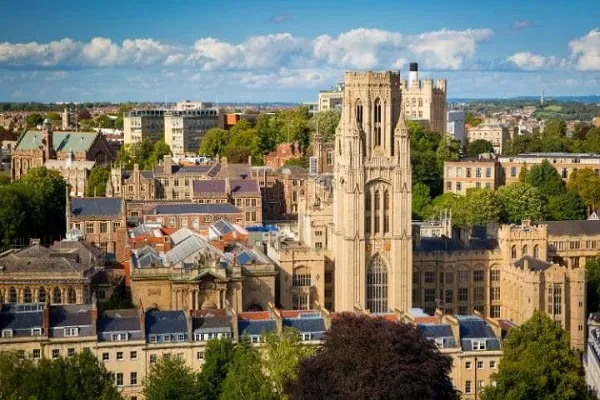
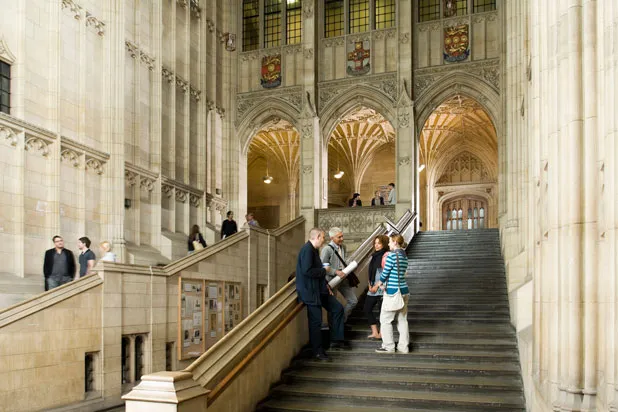
The University of Bristol is a red brick Russell Group research university in Bristol, England. It received its royal charter in 1909, although it can trace its roots to a Merchant Venturers' school founded in 1595 and University College, Bristol, which had been in existence since 1876. Bristol is organised into six academic faculties composed of multiple schools and departments running over 200 undergraduate courses, largely in the Tyndalls Park area of the city. The university had a total income of £682.9 million in 2019–20, of which £151.9 million was from research grants and contracts. It is the largest independent employer in Bristol. Current academics include 21 fellows of the Academy of Medical Sciences, 13 fellows of the British Academy, 13 fellows of the Royal Academy of Engineering and 44 fellows of the Royal Society. Among alumni and faculty, the university counts 9 Nobel laureates. Bristol is a member of the Russell Group of research-intensive British universities, the European-wide Coimbra Group and the Worldwide Universities Network, of which the university's previous vice-chancellor, Eric Thomas, was chairman from 2005 to 2007. In addition, the university holds an Erasmus Charter, sending more than 500 students per year to partner institutions in Europe. It has an average of 6.4 (Sciences faculty) to 13.1 (Medicine & Dentistry Faculty) applicants for each undergraduate place
Rankings

#51
QS

#105
USNews

#80
THE
University of Bristol Program Rankings
University of Bristol Highlights
FAQs
What are the most popular graduate programs offered at University of Bristol?
The University of Bristol boasts a diverse range of sought-after graduate programs, with particularly strong emphasis on Engineering, Medicine, and Law. The university is also renowned for its research in Environmental Science, Neuroscience, and Social Sciences, attracting students globally due to its innovative approaches and state-of-the-art facilities in these fields.
What is the Annual Cost of attendance at University of Bristol?
For international students, the annual tuition fees at the University of Bristol range from £20,000 to £36,000 depending on the program. Living costs, including accommodation, food, and other expenses, are approximately £13,200 per year. The total cost, therefore, ranges from £33,200 to £49,200 annually. Converting this to Indian Rupees at an exchange rate of 1 GBP = 100 INR, the total cost ranges from approximately ₹33,20,000 to ₹49,20,000.
What Financial aid and scholarship options are available at University of Bristol?
The University of Bristol offers a variety of scholarships and financial aid options to support students financially. These include merit-based scholarships, international scholarships, and sport-specific scholarships. Prospective students can apply for scholarships via the university’s official website, where they need to complete and submit an application form along with necessary documents before the specified deadlines.
What is the reputation and ranking of University of Bristol?
The University of Bristol is consistently ranked among the top universities globally. It is particularly renowned for its research and teaching excellence in areas like Engineering—ranked within the top 10 in the UK, and Medicine. The Social Sciences and Law programs are also highly regarded, regularly featuring in the top 50 globally according to various ranking agencies like QS and THE.
What is the campus culture like at University of Bristol?
Campus culture at the University of Bristol is vibrant and inclusive, marked by numerous events, clubs, and societies that cater to a wide range of interests. Students can engage in annual cultural fests like the Bristol SU Welcome Week, participate in over 400 clubs and societies, or enjoy regular live music, theatre, and arts events. This dynamic environment ensures a fulfilling and engaging student life.
What are the housing options at University of Bristol?
The University of Bristol provides a variety of housing options ranging from university-managed residences to private accommodations. Popular on-campus options include The Courtrooms and Orchard Heights, while many students choose off-campus housing in areas like Clifton, Redland, and Cotham, which are known for their safety, proximity to the university, and vibrant community atmosphere. These neighborhoods offer a mix of apartments and shared houses suitable for student budgets.
Similar Universities
.webp)
.webp)